

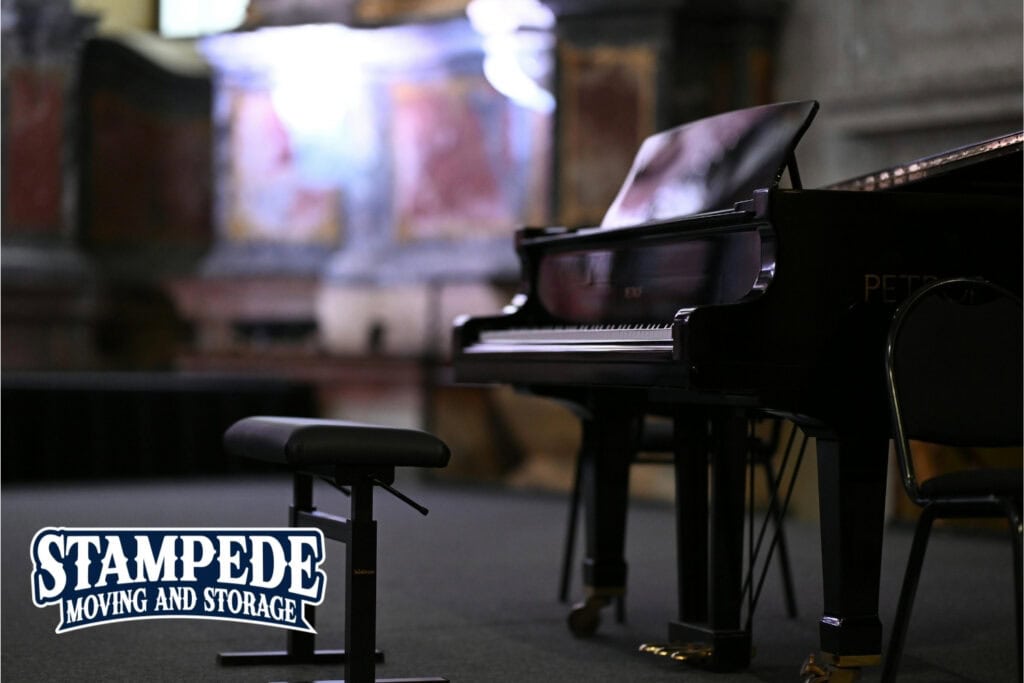
Winter piano moves are very different than regular piano moves; cold air, icy sidewalks, and changing weather conditions can all increase the risk of damage without proper preparation. The objective of winter piano moving is to safely transport, relocate, and protect your piano from cold temperatures and potential impact—something experienced calgary movers plan for carefully during colder months.
Like most instruments, pianos are sensitive to extreme cold temperatures, and prolonged exposure can affect tuning, structural integrity, and overall sound quality over time. That’s why understanding proper winter piano moving techniques is essential for protecting your instrument and keeping the relocation process smooth and problem-free.
In this article, we’ll cover what to watch for when preparing your piano for winter moving, how to protect it during colder months, and the safest methods for transporting and handling a piano in winter conditions.
How Cold Weather Affects Pianos
- Wood contracts in cold air
- Soundboards become more fragile
- Glue joints can weaken
- Keys and action parts become sluggish
Even a short exposure to freezing temperatures can cause long-term issues.
Why Moisture and Ice Are Your Biggest Risks
Snow, slush, and condensation can damage:
- The finish
- Internal strings
- Pedal systems
- The underside of the piano
Moisture sneaks in quickly, especially during loading and unloading.
Preparing Your Piano for a Winter Move
Good preparation reduces the chances of damage and keeps the move efficient.
Stabilizing Temperature Before Transport
Keep the piano in a warm area before the move. A cold instrument is more vulnerable during loading.
Using Proper Covers and Padding
Use thick moving blankets, shrink wrap, and padded covers. These help with:
- Insulation
- Shock absorption
- Moisture resistance
Measuring Entryways and Planning Routes
Before the crew arrives, measure hallways, doors, and staircases. Winter gear and bulky jackets make tight spaces even tighter.
Safely Transporting a Piano in Winter
Once the piano is wrapped and ready, the real challenge begins.
Choosing the Right Equipment
A winter piano move requires more than a dolly:
- Heavy-duty piano board
- Ratchet straps
- Floor runners
- Ice-safe footwear
Preventing Slips on Snow and Ice
Calgary winters mean slick sidewalks. Clear snow, salt the paths, and make sure ramps are stable.
Keeping the Piano Secure in the Truck
A piano must be strapped tightly to prevent shifting during transport. Sudden stops in winter traffic can easily cause damage if the load isn’t secure.
After the Move: Caring for Your Piano Indoors
The work isn’t done once the piano is inside your home.
Allowing the Piano to Acclimate
Give the piano 24–48 hours to gradually adjust to indoor temperatures before playing. Sudden temperature changes can warp the wood.
When to Tune Your Piano
Wait at least two weeks before tuning. The instrument needs time to settle.
Monitoring Humidity Levels
Use a humidifier in dry Calgary winters. Ideal humidity levels sit between 40–45% for piano health.
When to Hire Professional Piano Movers
Pianos are heavy (many over 250–400 kg), expensive, and mechanically complex. That’s why winter moves should be handled by people who understand the instrument and the weather.
Benefits of a Trained Crew
- They know how to navigate stairs and tight hallways
- They come with winter-safe equipment
- They prevent heat loss by loading and unloading efficiently
- They keep your piano stable during freezing weather
What Questions to Ask Before Booking
- Do you move pianos during winter?
- How do you protect the instrument from cold?
- What equipment do you use for icy conditions?
- Are you insured for piano transport?
FAQs: Winter Piano Moving Tips
Can cold weather damage my piano?
Yes. Wood contracts, glue can weaken, and tuning stability drops in freezing conditions.
How long should I wait before tuning after a winter move?
Two weeks is ideal so the piano can settle.
Can I move a piano myself in winter?
It’s risky. Winter conditions increase the chance of injury and damage. A trained crew is recommended.
Should I wrap the piano differently in winter?
Yes — thicker blankets, moisture-resistant wrap, and extra insulation help prevent damage.
Can I transport a piano in an open trailer?
No. Cold air, snow, and moisture will cause instant harm.
Keep Your Piano Safe This Winter with the Right Help
Moving a piano in winter takes more than strength—it takes patience, planning, and the right kind of care. Freezing temperatures, ice, and quick weather changes can make even a short move risky for such a delicate instrument. But with careful preparation and the support of a team that understands winter conditions, you can protect your piano and avoid unnecessary stress.
That’s where Stampede Moving & Storage comes in. Their crews know how to handle heavy, sensitive items in Calgary’s cold months. They use proper padding, insulated wraps, safe lifting techniques, and winter-ready equipment to keep your piano stable from start to finish. Along with piano handling, they also help families with residential moves, apartment and condo relocations, long-distance moves, heavy equipment and specialty moving and secure storage options when you need extra space.
If your winter move is coming up, don’t wait until the snow hits. Call +1 (587) 329-8910 or get your FREE quote today.
Move your piano and the rest of your home with confidence, care, and a team that treats your belongings like their own.
