

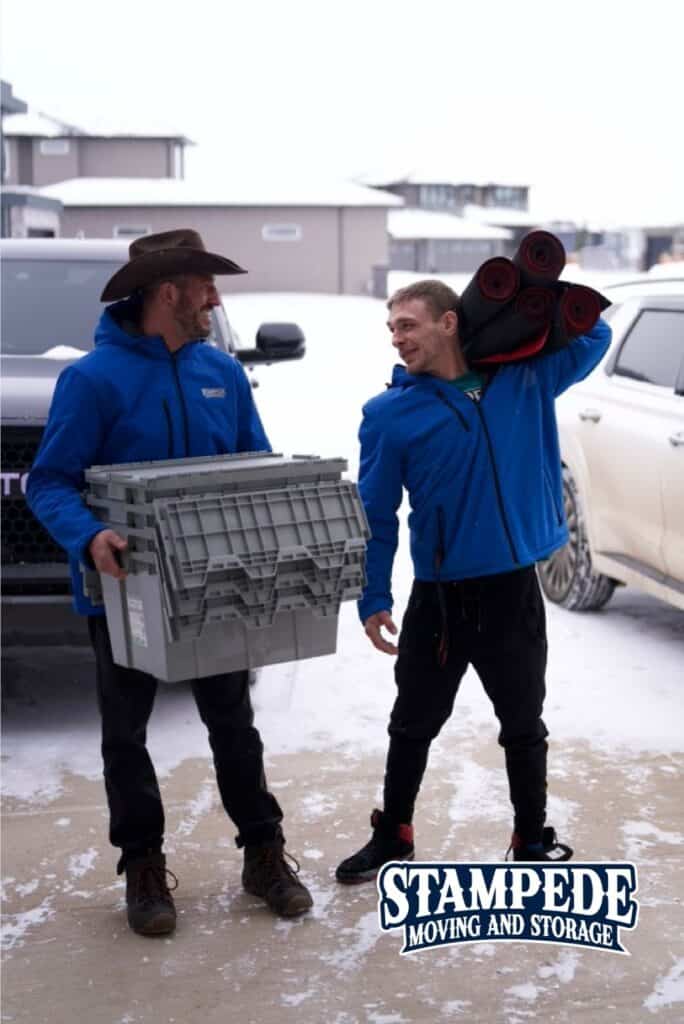
People generally envision boxes, trucks, and timelines when thinking about relocating. However, there is one important aspect of a relocation that is less likely to cross their minds – and this comes into play at the worst possible moment, on moving day: what cannot be relocated?
Most items have limitations as to how they may be handled due to safety, legality, or transportation issues. These issues will arise if they have not been considered prior to the relocation process, resulting in unnecessary delays, additional costs, and/or last-minute stress. Identifying these limitations before your relocation takes place simplifies managing the remainder of your relocation process.
This article provides an overview of common items that are restricted in terms of relocation, the reasons behind those restrictions, and how to prepare to avoid being caught off guard when your relocation takes place.
Why Some Items Can’t Be Moved
Professional movers follow safety standards designed to protect people, property, and the vehicle itself. Certain items pose risks due to flammability, toxicity, spoilage, or legal restrictions.
These rules aren’t about inconvenience. They’re about preventing accidents, damage, or liability issues during transport. This aligns with Transport Canada dangerous goods regulations for road transport.
Hazardous Materials Overview
Items that can leak, explode, or ignite are usually prohibited. This includes:
- Gasoline, propane tanks, and fuel containers
- Paint, paint thinner, and solvents
- Pesticides, chemicals, and cleaning agents
These are among the most common items movers won’t move Calgary homeowners are surprised by.
Home Preparation Checklist
A smooth move starts well before moving day. Preparing your home and belongings ahead of time helps reduce delays, protects important items, and makes the entire process easier to manage. The City of Calgary waste disposal guidelines outline how hazardous items should be handled.
Clean and Organize Belongings
Cleaning and organizing early helps you see what you actually want to move. It also makes packing faster and reduces the chance of paying to move items you no longer need.
Common Household Stuff Movers Won’t Transport
Many restricted items are everyday household products people forget about until the last minute. Knowing what’s on this list early prevents delays.
Perishable and Food Items
Most movers won’t transport:
- Fresh or frozen food
- Open containers
- Plants in soil
Spoilage, spills, and pest risks make these unsuitable for transport.
Jewelry and Cash Concerns
Movers typically avoid:
- Cash and important documents
- Jewelry and small valuables
- Personal electronics like laptops
These are best kept with you during the move.
Medication and Medical Equipment
Keep medications and essential medical equipment with you, not in the moving truck. This ensures uninterrupted access and prevents loss or damage during transit.
Irreplaceable Sentimental Items
Items with emotional value—such as heirlooms or personal mementos—are best transported personally. Their value often can’t be replaced or insured adequately.
Uncommon No-Move Items
Some household items aren’t permitted on moving trucks due to safety or legal reasons. Checking this early helps you plan alternative arrangements.
Plant Moving Considerations
Plants can be sensitive to temperature changes and handling. Many people choose to move them separately to avoid damage.
Important Documents and Photos
Passports, legal documents, and personal photos should stay with you. Keeping them accessible reduces stress and prevents irreversible loss.
Weapons and Regulated Items
Firearms, ammunition, and certain weapons may fall under restricted moving items Canada regulations. Even if legal to own, transport rules vary and often require special handling or permits.
Items Movers May Transport With Conditions
Not everything is strictly prohibited, but some items require preparation or advance notice. These conditions help ensure safe handling during the move.
Large Appliances
Appliances are often allowed, but only if:
- Properly disconnected
- Clean and dry
- Prepared in advance
Failure to prepare them may lead to refusal on moving day.
Specialty or Fragile Items
Some items aren’t prohibited but require advance notice:
- Pianos or safes
- Artwork or antiques
- Large aquariums
These need extra planning and may affect cost.
Personal Transport Options
For high-value or restricted items, personal transport or specialized services may be the safest option.
Pros and Cons of These Restrictions
Transport rules come with trade-offs. While they add planning steps, they also reduce risk and protect both people and property.
Pros
- Improved safety for everyone involved
- Lower risk of damage or accidents
- Clear responsibility boundaries
Cons
- Requires extra planning
- May involve separate transport or disposal
- Can surprise unprepared homeowners
Knowing the rules early usually outweighs the inconvenience.
Cost Considerations to Keep in Mind
Restricted items can affect costs in indirect ways. Planning for them ahead of time helps avoid unexpected expenses.
- Disposal fees for hazardous materials
- Separate transport arrangements
- Extra prep time for allowed items
Planning around moving safety rules Calgary households encounter helps keep costs predictable. Scheduling junk removal before moving can reduce volume and disposal fees.
Invest in Quality Supplies
Sturdy boxes, proper padding, and quality tape help prevent damage. Good supplies often save time and reduce breakage.
Who This Information Is Most Useful For
Some households are more affected by item restrictions than others. This section helps you see how these rules apply to your situation.
- Have a garage or shed with chemicals or fuel
- Own specialty items or appliances
- Are downsizing or clearing storage areas
- Want to avoid delays on moving day
The more complex your inventory, the more important this step becomes.
Ensure Safety for Kids and Pets
Moving day can be chaotic. Arranging care or a quiet space for kids and pets helps keep everyone safe and calm.
Planning Tips to Avoid Last-Minute Issues
A little preparation goes a long way. Simple checks before moving day can prevent common problems tied to restricted items.
- Walk through your home and flag restricted items early
- Ask questions before booking, not on moving day
- Arrange safe disposal for hazardous materials
- Keep valuables and essentials with you
A short review now can prevent major disruptions later. Following basic packing safety tips helps prevent damage and delays.
Declutter Before Moving Day
Decluttering lowers moving costs and makes unpacking easier. Donate, sell, or discard items you no longer use.
Create an Inventory List
An inventory helps you keep track of items and quickly identify anything missing after delivery.
Essential Packing Strategies
Pack room by room and keep essentials separate. Clear organization saves time during unpacking.
Label Boxes Clearly
Clear labels help movers place boxes correctly and reduce confusion when settling in.
Last Check Before Leaving
A walkthrough ensures nothing is left behind and confirms utilities are turned off or transferred.
Recheck Moving Details
Confirm arrival times, access points, and contact information. Clear communication helps the move stay on schedule especially when coordinating with movers, Calgary residents rely on.
Verify Moving Company Credentials
Taking time to verify credentials helps protect your belongings and your budget. Licensing, insurance, and clear documentation are key indicators of professionalism.
Settling into Calgary Home
Once the move is complete, a little organization goes a long way. Early planning makes the transition smoother and less overwhelming.
Unpack Essentials First
Focus on kitchen items, clothing, and toiletries first. This helps you feel settled even while other boxes remain unpacked.
Organize During Unpacking
Unpacking room by room keeps clutter under control and prevents boxes from piling up.
Connect with Neighbors
Getting to know your neighbors helps you feel at home faster. Simple introductions can make a new area feel familiar and welcoming.
FAQ
Why can’t movers take paint or chemicals? They’re considered hazardous and pose spill or fire risks.
Can movers take my propane BBQ tank? No. Tanks must be emptied and transported separately.
What about plants? Plants are often excluded due to spoilage and pest concerns.
Can I pack restricted items myself? Packing doesn’t change transport rules. Some items can’t be moved at all.
What happens if restricted items are discovered on moving day? They’re usually left behind, which can delay the move.
Avoid Last-Minute Surprises Before Moving Day
Knowing what can’t go on the truck is just as important as knowing what can. When restricted items are identified early, moving day stays focused on progress instead of last-minute problem-solving. A quick inventory check and a few questions ahead of time can prevent delays, added costs, and unnecessary stress.
When you’re ready for support, Stampede Moving & Storage brings experience and careful planning to every move. Their services include residential moves, apartment and condo relocations, commercial and office moves, packing and unpacking, specialty item handling, junk removal, and short- and long-term storage. They serve Calgary and surrounding areas, helping moves stay organized and compliant with safety guidelines.
If your move is coming up soon, now is a smart time to act. Call +1 587-329-8910 to talk through your needs and request a FREE quote—before timelines tighten and availability fills up.
