

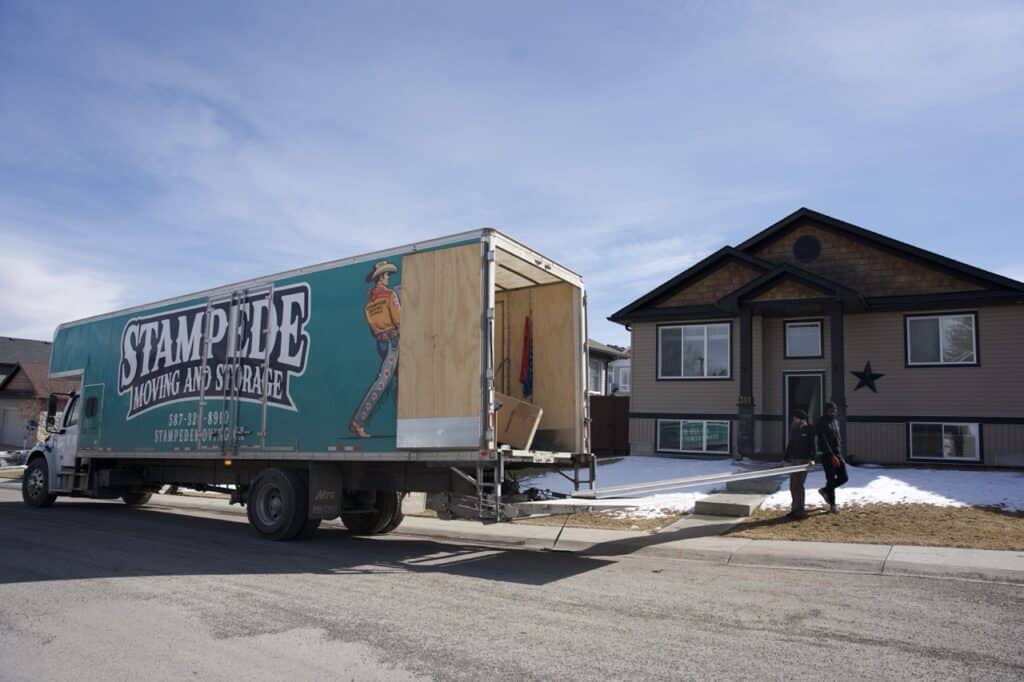
The weather in Calgary can change quickly. It is possible that one hour may be pleasant while the next brings a combination of snow, strong winds, heavy rain, hail or slippery roads.
The potential for this kind of rapid weather change impacts all aspects of your relocation. Truck access, crew scheduling, elevator reservations, packaging decisions, parking options, and ultimately cost are impacted by changes in the weather. The purpose of this relocation guide is to provide information regarding what to expect from a weather perspective, factors that may contribute to a delay during your relocation process, and suggestions on how to best prepare for your relocation.
Why Weather Matters When Planning a Move in Calgary
Weather is one of the biggest moving-day factors people underestimate. Even if your home is packed and ready, conditions outside can still affect how quickly and safely everything gets loaded.
A good plan gives you room to adjust without panic. It also helps you avoid last-minute problems with access, timing, and damaged belongings.
Calgary’s weather can affect your move through:
- Road conditions: Snow, ice, rain, and poor visibility can slow down travel between homes.
- Loading speed: Crews may need more time when sidewalks, driveways, or stairways are slippery.
- Parking access: Snowbanks, street restrictions, or tight roads can make truck placement harder.
- Building rules: Condo and apartment moves may have fixed elevator windows that weather delays can disrupt.
- Item protection: Moisture, freezing temperatures, and wind can affect furniture, boxes, electronics, and fragile items.
This is where planning your moving schedule Calgary residents can actually follow becomes important. It is not just about picking a date. It is about building in enough flexibility for the season.
Calgary Weather Patterns That Can Affect Moving Schedules
Calgary is known for fast weather changes. That does not mean every move will be difficult, but it does mean you should plan with weather in mind. the more you understand the risks by season, the easier it is to set realistic expectations.
Winter Snow and Ice
Sidewalks, stairs, ramps, and driveways may need to be cleared before movers arrive. If access points are icy, crews may need extra time to protect walkways and move items safely. This can affect loading speed, especially with heavy furniture, appliances, or fragile pieces.
You should also expect longer travel time when roads are icy or visibility is low. Even experienced drivers need to move carefully when conditions are poor.
Chinooks and Sudden Temperature Changes
A warm chinook may melt snow during the day, then freezing temperatures can turn that water into ice later. This can make driveways and sidewalks slippery by morning or evening.
If you are moving during winter or early spring, it helps to check conditions the night before and again on moving day.
Spring Rain and Mud
Spring can bring wet sidewalks, muddy yards, and softer ground. This matters if movers need to walk across grass, use a back entrance, or carry items through an unfinished area. Mud can slow down the move and increase the risk of dirt getting inside the home.
To prepare, use floor protection where needed and keep towels or mats near entrances.
Spring moves can feel easier, but moving during unpredictable Calgary weather still requires extra planning for access, floor protection, and timing.
Summer Heat, Wind, and Hail
High heat can make long moves more tiring. Strong wind can make it harder to carry lightweight items, protect mattresses, or keep doors under control. Hail can also delay loading if it becomes unsafe to move furniture outside.
If you are planning a summer move, morning start times usually help. They reduce heat exposure and leave more room in the day if weather shifts.
Fall Temperature Swings
Fall moves can be comfortable, but the weather can change quickly between morning and evening. Early snow, frost, and rain can appear with little warning. Shorter daylight hours can also affect timing if your move runs longer than expected.
Planning an earlier start can help you avoid working too close to dark, especially if you have stairs, outdoor access, or a long drive between homes.
Common Reasons Weather Causes Moving Delays
Not every delay happens because the moving crew is late. Sometimes the schedule changes because the move itself becomes harder to complete safely.
Understanding the common causes of Calgary weather moving delays helps you plan with more realistic timing.
Slippery Walkways and Driveways
Movers need safe access to your home. If sidewalks, steps, ramps, or driveways are covered in ice, the crew may need to slow down.
This is not wasted time. It protects your belongings, the home, and the people carrying heavy items. Clearing snow and salting walkways before the crew arrives can make a big difference.
Hard-to-Reach Parking Areas
Snowbanks, narrow streets, parked vehicles, alley access, and seasonal parking rules can all create problems. If the truck has to park farther away, the move can take longer because every item has to be carried farther.
For apartments or condos, confirm loading zones early. For houses, try to keep the closest access point open.
Before moving day, check Calgary snow route parking bans if your truck needs street access during winter.
Slower Driving Conditions
Bad weather can add time between pickup and delivery locations. This is especially common during snowstorms, freezing rain, fog, or heavy traffic after a weather event. Safe driving matters more than speed, so it is better to expect a buffer than plan every hour too tightly.
For longer routes or winter moves, check 511 Alberta road conditions before the truck leaves.
Building Access Issues
Condos, apartments, and office buildings often have rules around elevators, loading docks, and move-in windows.
If weather delays the truck, your elevator booking may be affected. This can create extra wait time if another resident has the next time slot.
Before moving day, ask your building manager what happens if weather affects your scheduled window.
Pros and Cons of Moving During Different Calgary Seasons
Every season has benefits and trade-offs. The best time to move depends on your schedule, budget, building access, and comfort level with weather-related changes.
Here is a clear look at what to expect.
Winter Moves
Winter moves in Calgary can work well when you prepare for snow, ice, and colder temperatures ahead of time. The key is to keep access areas clear, protect your floors, and give your schedule extra room in case roads or loading areas slow things down.
Pros:
- You may have more scheduling options because winter is often less busy than summer.
- Some moving dates may be easier to book with shorter notice.
- Cooler weather can make the physical work less exhausting than moving in extreme heat.
Cons:
- Snow, ice, and cold temperatures can slow down loading and unloading.
- You may need more prep work, such as shoveling, salting, and protecting floors.
- Travel time can be less predictable during storms.
Winter moves can work well when you prepare access points and keep your schedule flexible.
Spring Moves
Spring moves can feel easier because the weather is usually milder, but conditions can still change quickly. Rain, melting snow, and muddy walkways can slow things down, so it helps to prepare entry points and protect your floors before moving day.
Pros:
- Temperatures are usually more manageable.
- It can be a good time to move before the busy summer rush.
- Longer daylight helps with timing compared to winter.
Cons:
- Rain, mud, and melting snow can create messy entryways.
- Weather can still change quickly.
- Yard or alley access may be soft, wet, or uneven.
Spring is a good option if you prepare floor protection and avoid relying on outdoor shortcuts.
Summer Moves
Summer moves are popular because the days are longer and road conditions are usually easier. Still, heat, wind, hail, or sudden storms can affect timing, so it helps to book early, start in the morning, and keep your schedule flexible.
Pros:
- Longer daylight gives you more room in the day.
- School breaks can make it easier for families to plan.
- Road conditions are usually better than winter.
Cons:
- Summer is often busier, so dates can fill faster.
- Heat can make long moves more tiring.
- Thunderstorms, hail, or wind can still interrupt the day.
Summer works best when you book early and start earlier in the day.
Fall Moves
Fall moves can be a good choice because the weather is often cooler and moving dates may be easier to book. Still, Calgary can shift from mild days to frost, rain, or early snow quickly, so it helps to start early and keep your plan flexible.
Pros:
- Temperatures are often comfortable.
- Demand may be lower than peak summer months.
- It can be easier to settle before winter.
Cons:
- Weather can swing from mild to icy quickly.
- Daylight starts getting shorter.
- Early snowfall can affect roads and access.
Fall can be a smart time to move if you keep an eye on the forecast and avoid late-day starts.
Cost Considerations When Weather Affects a Move
Weather can influence moving costs because it can change how long the job takes. The goal is not to scare you. It is to help you understand where extra time can come from.
A transparent quote should explain how time, access, distance, and move size are handled.
How Weather Can Add Time
Weather can make a move take longer, even when everything is packed and ready. Snow, ice, rain, wind, and poor road conditions can slow down loading, walking, driving, and unloading. Understanding this early helps you plan a more realistic schedule and avoid feeling rushed on moving day.
Weather may increase the total time if crews need to:
- Walk farther because the truck cannot park close to the entrance
- Move slower on icy stairs or wet walkways
- Protect floors from snow, mud, or water
- Wait for elevator access after a delay
- Drive more slowly due to road conditions
- Wrap certain items more carefully because of moisture or cold
These are practical factors. They are not hidden fees when they are explained clearly before the move.
Questions to Ask Before Booking
Before you choose a moving company, ask how they handle weather, timing, access, and extra charges. Clear answers help you plan with fewer surprises and give you a better idea of what your moving day could actually look like.
Before hiring a company, ask simple questions like:
- How do you handle weather-related delays?
- Is travel time included in the estimate?
- What happens if road conditions slow the move down?
- Do you provide floor protection?
- Are there extra charges for long carries, stairs, or difficult truck access?
- What should I prepare before moving day?
A reliable team should be able to answer these clearly.
This is also where experienced Movers Calgary homeowners consider can help set honest expectations before moving day, especially during winter or storm-prone months.
Who This Type of Planning Is Best For
Weather-aware planning is helpful for almost every move, but some people benefit from it more than others.
If your move has tight timing, building rules, or fragile items, planning around weather becomes even more important.
Families Moving Between Homes
Families often need a move to fit around school, work, childcare, and possession dates. A weather delay can create stress when the schedule is already packed. Building in extra time helps you avoid rushing the final clean, key handoff, or first night in the new home.
Condo and Apartment Residents
Condo and apartment moves can be more sensitive to timing. Elevator bookings, loading zones, move-in rules, and building managers all affect the schedule. If the weather slows the truck or crew, it can create a chain reaction.
Ask your building about backup options before moving day.
Condo and apartment moves often need extra planning because elevator bookings, loading zones, and move-in rules can be affected by bad weather.
Seniors and Downsizers
Seniors and downsizers often need a calmer, more organized move. Weather delays can feel overwhelming if everything depends on one narrow time window. A step-by-step plan, clear labeling, and extra support can make the day feel more manageable.
Homeowners With Large or Heavy Items
Large furniture, appliances, pianos, garage items, and outdoor equipment can take longer to move during bad weather.
Heavy items require careful footing and clear pathways. If stairs, ramps, or driveways are slippery, safety comes first.
People Moving on a Fixed Deadline
If you need to move on a possession date, lease-end date, or work-related deadline, weather planning matters.
You may not be able to change the date, but you can reduce risk by booking earlier, packing sooner, clearing access points, and leaving more time in the day.
Commercial and Office Relocations
If your business has elevator bookings, loading dock times, employee schedules, or equipment that needs careful handling, even a small delay can affect the whole day. Snow, icy walkways, heavy rain, and poor road conditions can slow down loading and travel time.
Before moving day, confirm your building access, parking area, and elevator schedule. Let your team know the expected timeline, but leave room for weather changes. You should also protect electronics, files, desks, and office furniture from moisture and cold.
A little planning helps you avoid downtime and keeps your office moving organized from start to finish.
How to Build a Weather-Friendly Moving Plan
A good moving plan does not need to be complicated. It should help you stay ready even if the forecast changes.
Use this simple process to reduce delays and keep the day organized.
Step 1: Check the Forecast Early
Start checking the forecast a week before your move, then again 48 hours before moving day. Do not rely on one check. Calgary weather can change quickly, so update your plan as the date gets closer.
If snow, rain, wind, or extreme temperatures are expected, prepare your home and timing around that.
Step 2: Clear and Protect Access Points
Clear access makes moving day safer and faster, especially when Calgary weather brings snow, ice, or wet walkways. Before your movers Calgaryteam arrives, make sure driveways, stairs, sidewalks, and entryways are open, dry, and easy to walk through. This helps reduce delays and gives everyone a safer path to carry your belongings.
Before the crew arrives:
- Shovel snow from sidewalks, stairs, and driveways.
- Salt icy areas.
- Move vehicles away from the loading area.
- Clear clutter from entryways and hallways.
- Keep pets and children away from high-traffic paths.
- Add floor protection near entrances.
This saves time and reduces the risk of slips, damage, or delays.
Step 3: Pack for Weather Conditions
Weather should affect how you pack certain items. Use plastic bins for items that should not get wet. Wrap mattresses and fabric furniture. Keep electronics protected from moisture and cold. Seal boxes well so they do not weaken in snow or rain.
For winter moves, avoid leaving fragile items or electronics in freezing temperatures longer than needed.
Step 4: Confirm Parking and Building Rules
Good truck access can save a lot of time. For houses, reserve the closest safe parking spot. For condos or apartments, confirm the loading dock, elevator booking, and any move-in paperwork. For downtown or busy areas, check parking rules before the truck arrives.
If you are unsure, take photos of the loading area and share them with the moving company ahead of time.
Step 5: Build in a Time Buffer
Do not schedule cleaners, key exchanges, utility appointments, or long drives immediately after the move if bad weather is possible. Give yourself extra space so one delay does not affect everything else.
A buffer helps you stay calm when the day does not go exactly as planned.
Step 6. Junk Removal Services Available
Before moving day, go through old furniture, broken items, boxes, storage bins, and anything you no longer use. The less you move, the faster and easier the day becomes. This can also help reduce the time movers spend carrying items through snow, mud, rain, or icy paths.
Junk removal can be helpful if you want to clear space before the truck arrives. It also makes packing easier because you are only bringing what belongs in your new place.
If the forecast looks messy, decluttering early can save you stress, time, and extra lifting on moving day.
Mistakes to Avoid When Moving in Calgary Weather
Many moving-day issues are preventable. The biggest problems usually happen when people assume the weather will not affect the schedule.
A few small steps can make the day safer, faster, and less stressful.
Waiting Until Moving Morning to Prepare
If snow falls overnight or rain starts early, you may not have enough time to clear access points. Prepare the day before as much as possible. Keep shovels, salt, towels, mats, and floor protection ready.
Forgetting About Elevator Timing
If you live in a building, do not assume you can use the elevator anytime. Book it early. Confirm the rules. Ask what happens if the weather causes a delay. This is especially important when using residential movers Calgary residents rely on for apartment, condo, or multi-storey moves.
Using Weak Boxes in Wet Conditions
Rain and melting snow can weaken cardboard. Use sturdy boxes, seal them well, and avoid placing them directly on wet ground. For important items, use bins or extra wrapping.
Not Protecting Floors
Snow, mud, and water can get tracked inside quickly. Use mats, runners, or floor protection near entrances. Keep towels nearby. This helps protect both your old home and your new one.
Planning a Tight Same-Day Schedule
Moving already takes energy. Weather can add more pressure. Avoid stacking too many tasks on the same day. If possible, handle packing, cleaning, donation drop-offs, and utility calls before moving day.
Moving Tips for a Smoother Weather-Ready Move
A little preparation goes a long way. These tips are simple, but they can prevent delays and protect your belongings.
Use them as a checklist before moving day.
- Start earlier when possible: Morning moves give you more daylight and more room to adjust if the weather changes.
- Keep essentials separate: Pack medication, chargers, toiletries, snacks, winter gear, documents, and a change of clothes in a personal bag.
- Label weather-sensitive boxes: Mark electronics, fragile items, important papers, and anything that should stay dry or warm.
- Prepare both homes: Check access at the pickup and delivery address. A clear driveway at one home will not help if the second home is blocked.
- Communicate access issues early: Tell your movers about stairs, narrow streets, parking limits, elevator rules, or icy walkways before the move.
- Have a backup plan: Know who to call if parking changes, the elevator is delayed, or the weather gets worse.
- Take photos before the move: Photos of furniture, walls, floors, and access areas can help you stay organized and document the condition of items.
The best moving days feel calm because the details were handled before the truck arrived.
FAQ: Calgary Weather and Moving Schedules
Moving in Calgary can bring a lot of timing questions, especially when the forecast keeps changing. These quick answers will help you understand what to expect, how to prepare, and what to ask before moving day.
Can movers still work during snow or rain?
Yes, many moves can still happen during snow or rain. The crew may need to move slower, protect items more carefully, and adjust loading methods. Severe weather may require schedule changes if safety becomes a concern.
What should I do if there is snow before moving day?
Clear sidewalks, stairs, driveways, and parking areas before the crew arrives. Salt icy spots and keep a shovel nearby. If you live in a condo or apartment, check that the loading zone is accessible.
Can bad weather increase my moving cost?
It can if the weather adds time to the move. Extra time may come from slower loading, difficult parking, icy access, floor protection, or slower travel. Ask how time-based charges work before booking.
Is winter a bad time to move in Calgary?
Not always. Winter can offer more booking flexibility, but you need to prepare for snow, ice, and colder conditions. A winter move can go well when access points are clear and the schedule has a buffer.
How far ahead should I book a move?
Book as early as you can, especially in summer, month-end periods, and weekends. If you are moving in winter or during a busy season, early booking gives you more options if the weather changes.
What items need extra care during bad weather?
Electronics, artwork, documents, mattresses, fabric furniture, antiques, and fragile items need extra protection. Keep them dry, wrapped, and out of extreme temperatures whenever possible.
Don’t Let Calgary Weather Decide Your Moving Day
A smooth move is not about having perfect weather. It is about having a clear plan, honest timing, safe access, and the right help when conditions change.
If you are planning soon, try to prepare earlier than you think you need to. Check the forecast. Clear the path. Protect your floors. Give yourself breathing room. Those small steps can make the whole day feel easier.
When you want support from a local team that understands Calgary homes, roads, buildings, and weather, Stampede Moving & Storage can help make the experience feel organized from the first call to the final box.
We help with:
- Residential moving
- Office moving
- Long-distance moving
- Packing and unpacking
- Storage solutions
- Senior moving
- Apartment and condo moves
We serve Calgary and nearby areas, including Airdrie, Chestermere, Cochrane, Okotoks, Canmore, Banff, Strathmore, High River, and surrounding communities.
Call +1 (587) 329-8910 to get a FREE quote and secure your preferred moving date before the schedule fills up.
