

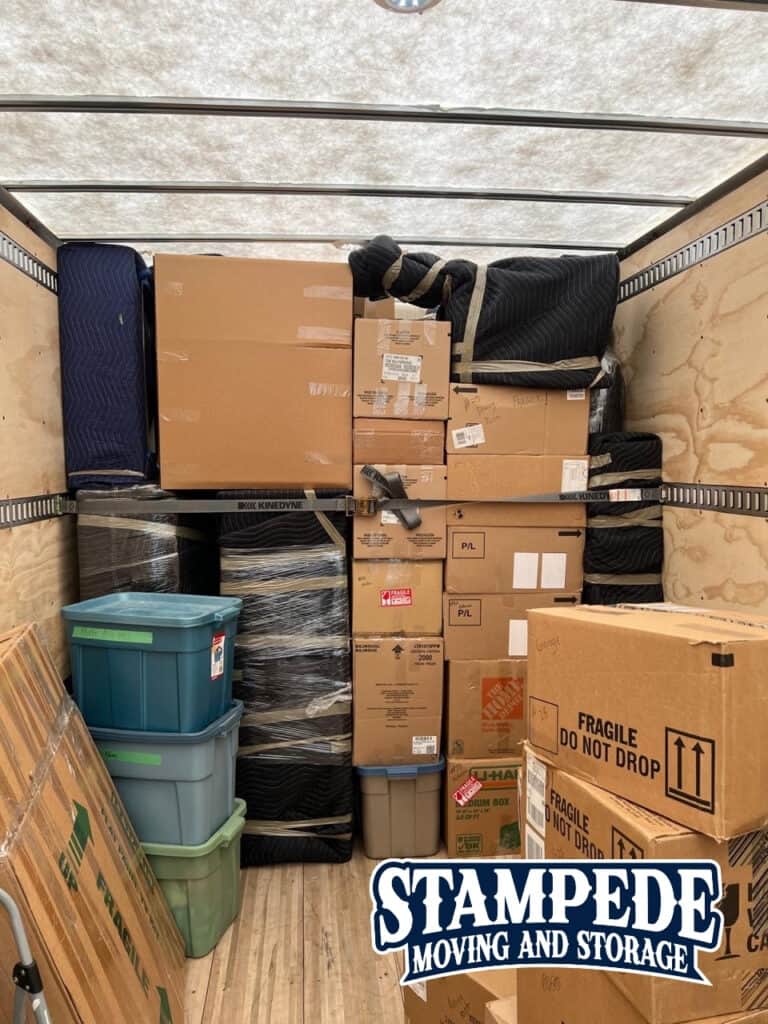
Downsizing later in life isn’t just about reducing your living space. Downsizing involves making decisions about what will stay and what will go, and finding ways to make the process as comfortable as possible. Most seniors and their family members start the process with good intentions; however, they quickly learn that they face many more decision-making opportunities than they initially anticipated.
When you plan the process in the correct sequence (planning for clarity before planning for speed), you provide yourself the ability to make rational and thoughtful decisions rather than being forced to make hasty decisions. The following is an overview of the steps to plan prior to beginning the downsizing process, as well as common areas where stress can develop during the process and strategies to minimize stress.
Start With the Why, Not the Boxes
Before sorting a single drawer, it helps to understand the reason behind the move. Downsizing decisions are easier when they’re tied to a clear goal rather than a deadline alone.
For some, it’s about reducing upkeep. For others, it’s proximity to family or better access to care. Taking time here sets the tone for everything that follows and helps avoid second-guessing later.
Assess Your Living Needs
Start by looking at how you live day to day. Consider mobility, storage needs, and how much space you actually use. This helps guide decisions about what to keep and what kind of home will best support your next chapter.
Consider New Living Options
Downsizing often opens the door to different housing options, from smaller homes to condos or assisted living. Thinking through these choices early helps align your downsizing efforts with where you plan to move.
Create a Realistic Downsizing Plan
A solid plan keeps the process from feeling rushed or emotional. This is where a senior downsizing checklist can be helpful, as it breaks the work into manageable steps instead of one big task.
Start by mapping out a timeline that includes sorting, decision-making, and rest days. Downsizing takes energy, and spacing tasks out helps prevent burnout. Planning early also allows time to involve family members when needed.
Plan the Downsizing Schedule
A clear timeline prevents the process from feeling rushed. Breaking tasks into weekly or monthly goals allows steady progress while leaving room for rest and reflection.
Gather Important Documents
Keep personal documents such as identification, medical records, and financial paperwork together and easily accessible. Having these organized early reduces stress during later stages of the move.
Sort Belongings With Intention
Deciding what to keep is often the hardest part. The goal isn’t to get rid of everything—it’s to keep what truly supports your next chapter.
A practical approach is to sort items by use and meaning. Everyday essentials come first, followed by sentimental items, and then things that no longer serve a purpose. If you’re wondering how to downsize before moving, this step-by-step sorting approach is usually more effective than tackling everything room by room.
Decide What to Keep
Focus on items that serve a purpose or hold genuine meaning. Keeping what supports your daily life makes the new space feel comfortable without being cluttered.
Discard Unneeded Items
Items that haven’t been used in years often don’t need to make the move. Donating, recycling, or responsibly discarding them lightens both the physical and emotional load. The City of Calgary waste and donation guidelines outline safe disposal and donation options.
Sort Items by Category
Sorting by category—such as clothing, books, or kitchenware—helps you see duplicates and make decisions faster. This method is often less overwhelming than sorting room by room.
Preserve Meaningful Pieces
Not every sentimental item needs to be kept in its original form. Photos, keepsake boxes, or shared family items can preserve memories without taking up extra space.
Understand the Pros and Cons of Downsizing
Downsizing brings real benefits, but it also comes with adjustments. Seeing both sides helps set realistic expectations.
Pros include:
- Lower housing and maintenance costs
- Less physical strain from upkeep
- A simpler, more organized living space
Cons to plan for:
- Emotional difficulty letting go of possessions
- Initial time and energy investment
- Short-term stress during the transition
Acknowledging both makes the process feel more balanced and honest.
Budget for More Than Just the Move
Costs go beyond transportation. Downsizing often includes expenses that aren’t obvious at first.
You may need storage, donation pickup, estate sale services, or minor repairs to prepare a home for sale. Planning for these early helps avoid financial surprises and keeps decisions grounded in reality. Temporary storage options during downsizing may help when timelines don’t align.
Explore Financial Considerations
Downsizing can bring long-term savings, but it often comes with short-term expenses that are easy to overlook. Beyond the cost of moving, there may be fees for storage, donations, minor home updates, or professional services to help with sorting and packing. Taking time to review these costs early allows you to plan realistically and make decisions that support both your budget and your comfort during the transition. The Government of Canada retirement planning resources can help seniors review long-term financial needs.
Manage Furniture and Appliances
Measure your new space before committing to large pieces. Some furniture may not fit or may no longer suit your needs, making this an important step before moving day.
Who Downsizing Works Best For
Downsizing isn’t one-size-fits-all. It’s often a good fit for seniors who want less home maintenance, easier mobility, or a lifestyle that’s closer to support networks.
It can also work well for families helping parents transition, especially when planning starts early and responsibilities are shared. In these cases, working with experienced senior movers Calgary families trust can reduce physical strain and help the process feel more supported.
Choose Suitable Floor Plans
Look for layouts that support ease of movement and daily routines. Fewer stairs, wider pathways, and accessible storage often make a big difference long-term.
Practical Tips to Make the Process Easier
Small adjustments can make a big difference during downsizing:
- Start earlier than you think you need to
- Tackle one category at a time, not entire rooms
- Label “unsure” items and revisit them later
- Accept help when it’s offered
These steps keep progress steady without turning the process into a marathon.
Seek Support from Family
Family members can help with sorting, decision-making, and emotional support. Involving them early keeps expectations aligned and reduces pressure later.
Pack Essentials for Moving
Set aside items you’ll need immediately, such as medications, toiletries, and important documents. Some families choose light packing support at this stage to reduce physical strain without committing to full packing services.
Plan for Safe Transport
Items that are heavy, delicate, or unusually shaped often need extra planning before moving day. Identifying specialty items such as large furniture, antiques, or mobility equipment early allows for proper handling and transport arrangements. This reduces the risk of damage and helps ensure everything arrives safely without last-minute adjustments.
FAQ
How early should a senior start downsizing? Ideally, several months in advance. More time means less pressure.
Should family be involved from the start? Yes. Early involvement helps with decisions and emotional support.
What if sentimental items are hard to part with? It’s okay to keep meaningful pieces. Downsizing isn’t about removing memories.
Is it better to downsize before or after selling a home? It depends on timing and energy levels. Many find it easier to downsize first.
Can downsizing be done gradually? Absolutely. Gradual downsizing is often less stressful and more sustainable.
When the Next Chapter Matters Most
Downsizing is as much an emotional transition as it is a practical one. When the process is paced well, it can feel empowering rather than exhausting. Clarity, patience, and the right support make all the difference.
When you’re ready to move forward, Stampede Moving & Storage focuses on making transitions comfortable and respectful. Their experience with senior relocations is built around planning, communication, and care.
Services offered include:
- Residential moves
- Apartment and condo relocations
- Senior-focused moving support
- Heavy Equipment & Specialty Moves
- Storage solutions
- Junk removal
They serve Calgary and surrounding areas, helping seniors and families move with confidence and dignity.
If timing is starting to feel tight, now is a good moment to talk through your options. Call (587) 329-8910 to ask questions, explore next steps, and request a FREE quote—so the move feels like a step forward, not a rush.
