

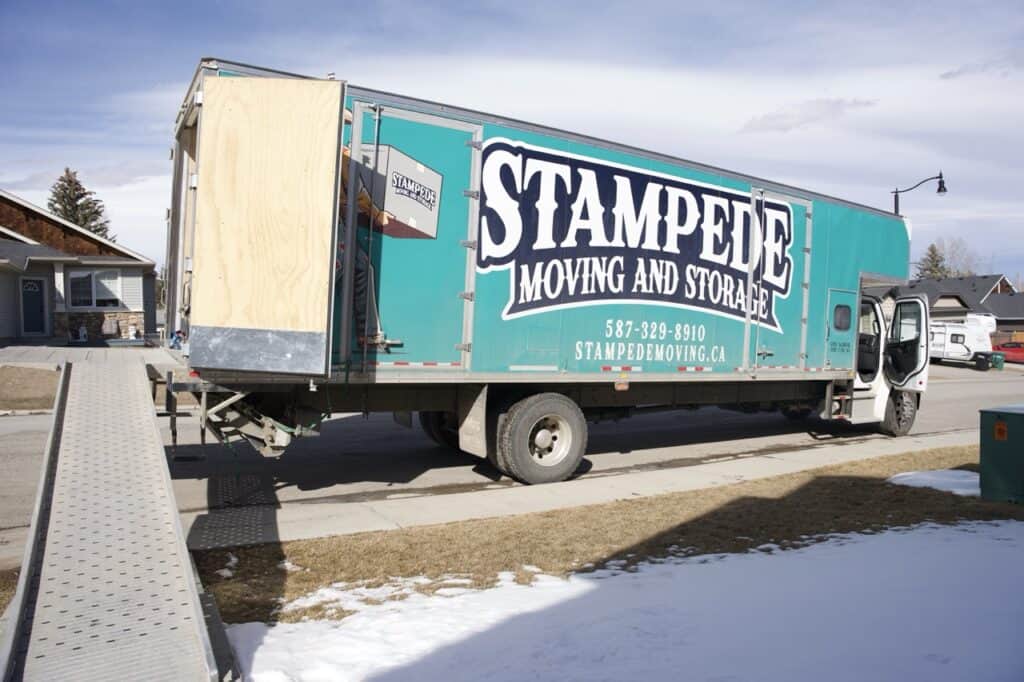
Moving an office is not about moving desks and computers from one place to another. It affects employees, clients, technology, schedules and daily work. A business move can cause problems for everyone involved. If you do not plan properly even a small delay can cause lost work time, missed chances and extra stress.
Many businesses in Calgary worry about downtime during a move. The good news is that most problems can be prevented with planning. This guide will help you plan an office move. It will also explain what affects the cost of a move and how to keep your business running during the process.
Why Office Moves Require Careful Planning
Unlike residential moves, office relocations involve multiple departments, equipment, and operational systems. Businesses often need to coordinate employees, technology providers, landlords, building managers, and moving crews at the same time.
The objective is not simply to move items from one office to another. The goal is to maintain business continuity while transitioning into a new workspace.
A successful office move typically starts with three essentials:
- A realistic timeline: Establish deadlines for packing, technology setup, employee preparation, and moving day logistics.
- A complete inventory: Identify furniture, electronics, files, and equipment that will be moved, stored, donated, or replaced.
- Clear communication: Employees, clients, vendors, and service providers should know what changes are happening and when.
When these elements are organized early, the relocation process becomes significantly easier to manage.
Common Causes of Office Move Downtime
Most office relocation problems occur because important details are overlooked until the last minute. Understanding common challenges can help you avoid costly interruptions.
Technology Delays
Technology is often the biggest source of downtime during an office move. Internet connections, phone systems, printers, servers, and workstations must be operational as soon as employees arrive at the new location.
Before moving day, confirm installation dates, network requirements, and equipment placement. Backing up important data and labeling cables can also simplify setup.
Lack of Employee Coordination
Employees should understand exactly what they are responsible for packing and preparing. Without clear instructions, personal items, files, and office supplies can become disorganized. Providing simple packing guidelines helps reduce confusion and ensures everyone is ready before moving day.
Building Access Issues
Many commercial buildings in Calgary have specific moving requirements. Elevator reservations, loading dock access, parking restrictions, and security procedures can all affect the schedule.
Building access, parking restrictions, and weather-related moving delays can all affect how quickly your office move stays on schedule.
Last-Minute Packing
Office packing often takes longer than expected. Storage rooms, filing cabinets, meeting spaces, and supply closets can contain far more items than anticipated.
Starting early allows departments to pack systematically while reducing the risk of misplaced equipment or poorly labeled boxes.
Pros and Cons of Office Relocation
Relocating an office can create exciting opportunities, but it also comes with challenges. Understanding both sides helps businesses prepare effectively.
Benefits of Relocating
Relocating your office can create opportunities for growth, improved efficiency, and a better working environment. A well-planned move can help your business adapt to changing needs while supporting employees and daily operations.
- Improved workspace layout and workflow
- More room for growth and expansion
- Better accessibility for employees and clients
- Opportunity to upgrade furniture and technology
- Chance to eliminate outdated equipment and clutter
A new office can improve productivity and create a more professional environment for both staff and visitors.
Potential Challenges
Every office move comes with obstacles that can affect timelines, productivity, and organization if not addressed early. Understanding these potential challenges helps businesses prepare effectively and keep the relocation process running smoothly.
- Temporary disruption to daily operations
- Costs associated with moving and setup
- Employee adjustment to a new location
- Technology-related delays
- Building access restrictions and scheduling concerns
Most of these challenges can be minimized through proper planning and communication.
Cost Considerations for an Office Move
Office relocation costs vary depending on the size and complexity of the move. Understanding what influences pricing can help businesses budget more accurately.
Factors That Affect Moving Costs
Several variables can impact the final cost:
- Office size and number of workstations
- Quantity of furniture and equipment
- Packing and unpacking requirements
- Distance between locations
- Elevator access and building restrictions
- Specialized equipment handling
- Timing of the move
For example, a small office with basic furniture may require significantly less labour than a larger workspace with multiple departments and extensive equipment.
How to Keep Costs Under Control
Businesses can reduce unnecessary expenses by preparing in advance. Start by removing items that no longer serve a purpose. Old furniture, outdated electronics, and unused supplies increase moving volume without adding value.
Clear labeling also improves efficiency. When boxes and furniture are properly identified, movers can place items in the correct locations immediately, reducing labour time.
Working with experienced office movers Calgary businesses trust can also help identify potential challenges before moving day and prevent unexpected costs.
Who Benefits Most From Structured Office Relocation Planning?
Every business can benefit from a well-organized move, but planning becomes especially important when downtime directly affects operations.
Small Businesses
Smaller companies often have fewer resources available to absorb disruptions. Even a single day of downtime can affect customer service, sales, and productivity.
Professional Service Firms
Law offices, accounting firms, consultants, and healthcare-related businesses frequently manage confidential information and scheduled appointments. Careful planning helps maintain organization and professionalism throughout the move.
Growing Organizations
Businesses moving into larger spaces need to think beyond transportation. Department layouts, storage solutions, and workflow improvements should all be considered before moving day.
Companies With Specialized Equipment
Organizations that rely on large printers, filing systems, inventory storage, or technical equipment require additional planning to ensure safe transportation and setup.
Heavy Lifting Made Easy
Heavy office items can slow down a move if they are not planned properly. Desks, filing cabinets, large printers, shelving units, and heavy equipment need clear pathways, proper handling, and enough space to move safely. Preparing these items early helps reduce delays, protect your workspace, and make moving day easier for everyone involved.
Step-by-Step Office Relocation Plan
A smooth office move depends on planning the right tasks in the right order. From timelines and inventory to technology, building access, and employee communication, each step helps reduce downtime and keeps the relocation easier to manage.
Step 1: Create a Timeline
Begin planning as early as possible. Work backward from your move date and identify major milestones, including packing deadlines, utility transfers, technology setup, and employee preparation.
Step 2: Assign a Move Coordinator
Choose one person to oversee communication and logistics. This individual should coordinate with movers, building managers, vendors, and employees to ensure everyone stays informed.
Step 3: Conduct an Inventory
Document everything that will be moved. Include furniture, electronics, files, supplies, and shared equipment. An accurate inventory helps with budgeting, scheduling, and determining truck space requirements.
Step 4: Design the New Office Layout
Create a floor plan before moving day. Assign locations for departments, workstations, meeting rooms, and storage areas. Knowing where everything belongs allows movers to place items correctly from the start.
Step 5: Prepare Technology
Coordinate internet installation, phone transfers, security systems, and workstation setup before the move. Label equipment carefully and back up important files to reduce the risk of disruptions.
Step 6: Pack Strategically
Pack by department or workspace rather than randomly. Each box should include clear labels identifying its destination and contents. This makes unpacking faster and more organized.
Step 7: Confirm Building Logistics
Verify elevator reservations, loading dock access, parking arrangements, and security requirements with both buildings. Addressing these details early helps prevent delays on moving day.
Step 8: Communicate With Employees
Keep employees informed throughout the process. Provide instructions regarding packing responsibilities, schedules, and expectations for the first day in the new office.
Common Office Moving Mistakes to Avoid
Even well-planned relocations can face challenges when key details are missed. Paying attention to these details helps keep the move organized and on schedule.
Ignoring Building Requirements
Commercial buildings often have strict moving policies. Failing to reserve elevators or secure access permissions can disrupt the entire schedule.
Moving Unnecessary Items
Relocation is an ideal opportunity to declutter. Avoid spending time and money moving furniture, equipment, or supplies that are no longer needed.
Forgetting Address Updates
Businesses should update their address across all platforms, including websites, online listings, invoices, banking records, and marketing materials.
If your business is registered in Alberta, check whether Alberta corporate address updates apply to your company.
Poor Labeling
Boxes without clear labels create confusion during unloading and unpacking. Consistent labeling saves time and improves organization.
Waiting Too Long to Schedule Movers
Popular moving dates can fill quickly, especially during busy seasons. Businesses planning commercial moving Calgary projects should secure their preferred dates as early as possible.
Practical Tips for Reducing Downtime
Keeping downtime to a minimum requires preparation rather than speed. These strategies can help businesses resume operations faster.
- Move non-essential items before the main relocation date.
- Use colour-coded labels for departments.
- Prepare a first-day essentials box with chargers, documents, and office supplies.
- Notify clients and vendors about the move in advance.
- Schedule internet and utility services early.
- Protect confidential documents during transport.
- Conduct a walkthrough of the new office before moving day.
- Allow employees time to settle in before scheduling major meetings.
Small preparations often make the biggest difference when it comes to maintaining productivity.
Business mail forwarding can help prevent missed documents while your clients and vendors adjust to the new address.
FAQ: Office Relocation in Calgary
Planning an office move often comes with many questions, from scheduling and packing to minimizing downtime and protecting valuable equipment. The answers below cover some of the most common concerns businesses have when working with office movers Calgary businesses trust, helping you better prepare for a smooth and efficient transition.
How far in advance should I plan an office move?
The earlier, the better. Small offices may require several weeks of preparation, while larger organizations often benefit from planning several months ahead.
Can office moves be completed outside business hours?
Yes. Many businesses choose evening or weekend moves to reduce disruption. Availability depends on building policies and scheduling requirements.
What should employees pack themselves?
Personal belongings, desk items, and frequently used materials are often packed by employees, while movers handle larger furniture and equipment.
How can I protect office technology during a move?
Back up important data, label cables, secure devices properly, and keep critical equipment organized for easier setup at the new location.
What factors increase moving costs?
Limited access, stairs, heavy furniture, long carrying distances, and last-minute packing requirements can all increase labour time and overall costs.
Is professional help worthwhile for a small office move?
Yes. Even small offices contain valuable equipment and important documents. Hiring a Calgary moving company can help reduce stress, improve efficiency, and minimize downtime.
Keep Your Business Moving Forward
An office relocation does not have to disrupt your operations. With a clear timeline, organized packing strategy, and proactive communication, businesses can transition into a new workspace while maintaining productivity.
The key is preparation. By addressing technology, logistics, employee coordination, and building requirements early, you can reduce downtime and create a smoother moving experience for everyone involved.
If you’re planning an office relocation in Calgary, Stampede Moving & Storage provides professional support for office moves, commercial relocations, residential moving, packing services, storage solutions, and long-distance moves.
We proudly serve Calgary and surrounding communities, including Airdrie, Chestermere, Cochrane, Okotoks, Canmore, Banff, Strathmore, and High River.
Call +1 (587) 329-8910 today for a FREE quote and start planning your move with confidence.
