

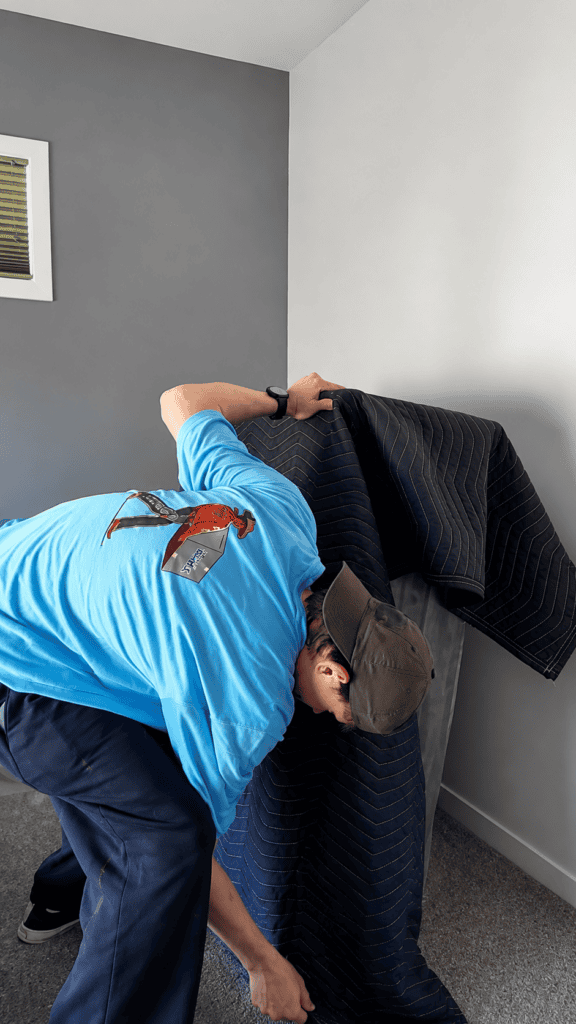
Summer moves often look easier to plan, but they can still be hard on the home if the route is not protected properly. There is pleasant weather, extended hours of sunshine, and people believe that since there are fewer seasonal issues, everything will run smoothly. However, things might not be as easy indoors because a hasty or improper moving process can cause damage to the floors, walls, staircases, doorways, and door frames.
That is why protecting the home matters just as much as protecting the furniture. This guide explains where damage usually happens, how careful movers reduce the risk, and what to look for before moving day.
Importance of Floor Protection
Floor protection is one of the first things that separates a careful move from a careless one. It is also one of the easiest places for small mistakes to become visible damage.
During a move, the same path gets used again and again. That usually means the front door, hallway, stairs, and the route to the truck absorb most of the traffic. Even in good weather, repeated movement can grind in dust, shift debris across the surface, and create scratches or scuffs before the move is even halfway done.
This is one place where experienced Calgary movers often stand out. The real difference is not only how they lift or load. It is how they prepare the home before the first heavy item starts moving through it.
Causes of Floor Damage During Moves
Most floor damage is not dramatic. It usually happens in smaller, more avoidable ways that build up over the day.
Common causes include:
- Shoes carrying in gravel, dust, and outdoor debris
- Dollies moving over unprotected floors
- Furniture being dragged instead of lifted cleanly
- Repeated foot traffic on the same uncovered path
- Heavy items turning too sharply in narrow spaces
Characteristics of Effective Floor Protection
Good floor protection should do more than simply cover the surface. It should stay in place, reduce friction, manage dirt, and hold up under steady traffic without creating a slipping or tripping risk.
If the material bunches up, slides, or traps debris underneath, it can cause as many problems as it prevents. Good protection is practical, stable, and matched to the route being used.
Managing Dirt at Doorways
Doorways take more abuse than most people expect. That is where people pause, pivot, and repeatedly move in and out with weight in their hands.
If dirt is not managed at the entrance, it gets pushed into the rest of the home quickly. Summer moves are especially prone to this because dry dust, small stones, and outdoor grit often come in constantly.
Use a Doormat Effectively
A doormat helps, but only if it is part of a larger setup. By itself, it is rarely enough for a full moving day.
A better approach is to place one mat outside, one just inside, and then extend protection further along the main traffic route. That creates a transition zone instead of leaving the rest of the floor exposed after the first few steps.
How to Protect Floors During Moves
Good protection is not just about laying something down and hoping for the best. It works better when the material matches the floor type, the traffic level, and the weight of the move.
The most important point is timing. Protection should be in place before loading begins. If it only appears once the move is already underway, the riskiest phase has already happened.
Apply Appropriate Floor Covering
Not every surface needs the same protection. The right covering depends on the material, the route, and how heavy the move will be.
High-traffic hallways may need more durable coverage than a smaller staging area. A stair landing may need a different approach than a long section of hardwood. Matching the covering to the actual path helps reduce avoidable damage later.
Steps for Effective Floor Protection
A careful setup usually follows a simple process. The goal is to prepare the route before the home starts absorbing the pressure of the move.
A strong setup usually includes:
- Walking the route in advance
- Identifying delicate flooring and tight corners
- Clearing obstacles from the main path
- Laying protection from the doorway through the busiest interior areas
- Checking stairs and transition points
- Planning where heavy items may be temporarily staged
The setup can also depend on truck parking, curb access, and whether the route from the street to the home is straightforward.
Organize Indoor and Outdoor Teams
One of the easiest ways to reduce mess is to improve the flow. Moves usually feel cleaner and safer when the traffic pattern is more controlled.
If one part of the team handles the truck while another manages the interior route, the move tends to stay more organized. It also reduces unnecessary trips through the same protected areas.
Types of Floor Protection Options
Not all protection materials work the same way. The best choice depends on the flooring, the amount of traffic, and how demanding the move will be.
This is why homeowners often ask not just whether protection is used, but whether the right materials are used in the right places. They want to know if the right materials are being used in the right places.
Drop Cloths and Mats Use
Drop cloths and mats work best near entry points and transition zones. They help catch dirt early and reduce direct contact between outdoor debris and finished flooring.
They are useful, but they are usually not enough on their own for the entire moving route.
What Floor Protection to Use
Choosing floor protection is not just about covering the surface. It is about matching the material to the kind of traffic, the weight of the items being moved, and the areas most likely to take repeated pressure.
Using Floor Runners Effectively
Floor runners are one of the most practical tools during a move. They create a visible path that helps keep traffic where it should be.
They are especially helpful between the doorway and main interior routes, such as hallways and stairs. Their biggest strength is consistency. When the path is obvious, people are more likely to stay on it.
Temporary Floor Protection Boards
Boards are more useful in heavy-traffic areas or where the flooring is especially vulnerable. They help spread weight better and reduce sharper pressure in narrow or high-load areas.
This can be especially useful when larger items or repeated dolly traffic are involved.
Matching Protection to Flooring Type
Different floors respond differently to dirt, pressure, and friction. That means the safest protection plan is never one-size-fits-all.
Best Practices for Hardwood Floors
Hardwood usually needs the most caution. Small bits of grit, dragged items, and shifting coverings can all leave visible marks.
Good practice includes keeping debris off the route from the start, avoiding dragging completely, and using smooth protection that stays flat underfoot.
How to Protect Carpet
Carpet may not scratch like hardwood, but it still needs protection during a move. Repeated traffic can leave it dirty, compressed, or worn, especially near entryways and main walking paths.
Protecting Vinyl and Laminate Floors
Vinyl and laminate may look durable, but they still need care. Repeated traffic, sharp pivots, and pressure points can leave visible wear if the route is not protected properly.
Safeguarding Tile, Stone, and Carpet
Tile and stone can resist surface scratching better than softer floors, but they are still vulnerable at edges, transitions, and stair points. Carpet needs a different kind of care. It may not scratch, but it can collect dirt quickly, compress under traffic, and become harder to clean after a busy move.
Essential Tools for Floor Protection
A careful move does not always require complicated equipment. Usually, it comes down to simple tools used with the right judgment.
Furniture Pads Explained
Furniture pads help protect more than the furniture itself. They also reduce contact damage to floors, walls, stair rails, and door frames.
Wrapped items are easier to carry cleanly and are less likely to scrape the home around them.
Moving Blankets and Pads Usage
Moving blankets work especially well in staging zones and tight spaces. They help protect both the item being carried and the home around it.
Protective Films Overview
Protective films can work in some situations, but they need to match the flooring. Used incorrectly, they can shift, trap debris, or create slipping problems instead of preventing damage.
Protecting Stairs from Damage
Stairs are one of the highest-risk parts of any move. They combine weight, turning, limited space, and repeated traffic all at once.
A careful setup should include:
- Planning the carrying path in advance
- Identifying which items need two-person handling
- Protecting stair treads where appropriate
- Slowing down for turns and landings
- Using spotters for larger pieces
Plan for Heavy Items Handling
Heavy items create more risk for both the home and the people carrying them. That is especially true on stairs, corners, and narrow transitions.
Large sectionals, dressers, appliances, and awkward furniture should be planned before they move, not while they are already halfway through the route.
DIY vs Professional Moving Services
Tight layouts with narrow hallways, elevators, and stairs often need more protection planning than people expect. But once the layout gets tighter or the furniture gets heavier, protection becomes much harder to manage well on your own.
DIY moves often miss:
- Proper route preparation
- Enough protective material
- Coordinated indoor and outdoor flow
- Careful pacing in tight spaces
- Safer handling for large or awkward items
A careful professional Moving company in Calgary should be able to explain how the home will be protected, not just how the truck will be loaded.
Expected Costs for Floor Protection
Protection is not always shown as a separate line item, but it still affects the move. The more setup, care, and material needed, the more it can shape the total.
Cost is often influenced by:
- The size of the home
- The amount of floor coverage needed
- Stairs and narrow routes
- Heavier furniture
- Wrapping requirements
- Whether the home has delicate flooring
The better question is not just “what is the cheapest move?” It is “what kind of move is least likely to leave damage behind?”
Don’t Let a Summer Move Leave the House Worse Than It Started
A good move should leave you focused on settling in, not checking every floor, wall, and doorway for damage afterward. When the traffic path is protected, the tools are chosen carefully, and the pace stays controlled, the whole move feels more manageable from start to finish.
At Stampede Moving & Storage, we believe a careful move starts before the first item is lifted. We want you to feel confident that your home is being treated with respect, not just your furniture. If you want to talk through your layout, timing, and the best way to protect the space during the move, we are happy to provide a FREE quote in a way that feels helpful and straightforward.
We proudly help with:
- Residential moves
- Apartment and condo moves
- Packing and unpacking
- Furniture protection and careful loading
- Office and commercial moves
- Storage solutions
We serve Calgary, Airdrie, Chestermere, Cochrane, Okotoks, High River, and surrounding areas.
Call +1 587-329-8910 to talk through your moving plans and find a setup that protects your home with less stress and more confidence.
